Alarm That Makes You Get Out of Bed: 6 Tactics That Actually Work
The short answer
An alarm you can ignore is an alarm you will ignore
Short answer: the alarm that makes you get out of bed is one you can't switch off without standing up. Combine friction (phone across the room, or a task to dismiss it) with a sound that's loud, novel, and reliable enough that your half-asleep brain can't tune it out or fail silently. Friction gets your feet on the floor; the sound stops you snoozing on autopilot.
If you've ever silenced an alarm and woken up an hour later with no memory of it, the problem isn't willpower — it's that your alarm gives you an easy off switch your sleeping brain can hit without ever waking you up. Below is why that happens, the tactics that physically force you upright, and how to stack them so getting out of bed stops being optional.
The cause
Snoozing on autopilot is sleep inertia, not laziness
When an alarm yanks you out of deep sleep, your body wakes faster than your brain does. For the first several minutes the prefrontal cortex — the part that makes decisions and remembers things — is still booting up. That groggy fog is sleep inertia, and in that window you'll reach over, snooze, and never recall it.
This is why "just try harder" never works: there's no conscious "you" awake to try. The only thing that beats autopilot is removing the autopilot option entirely — making the alarm impossible to silence from bed. Everything below is a way to do exactly that. If you struggle most on workdays, the same logic drives how to never oversleep for work or a shift again.
Tactic 1 · Distance
Put the phone across the room so you have to stand up
The single most effective change is the simplest: move the phone far enough that silencing it requires walking. This converts dismissing the alarm from a half-asleep arm twitch into a decision to stand up — and once you're on your feet, light hits your eyes and your body starts warming, both of which dissolve sleep inertia fast.
The catch: distance only works if the alarm is loud enough to wake you from across the room and can't quietly die overnight. A quiet default tone defeats the whole point. For the best spot and why your nightstand sabotages you, see where to put your alarm phone at night to actually wake up.
Tactic 2 · A sound you cant ignore
Use a sound your brain hasnt learned to sleep through
A task or mission to dismiss the alarm — solving a puzzle, scanning a barcode, doing the math — adds friction that forces your brain online. But the unsung half is the sound itself. After a week or two of the same tone, your sleeping brain files it as harmless and stops triggering a wake-up. That's habituation, and it's why a familiar ringtone "stops working."
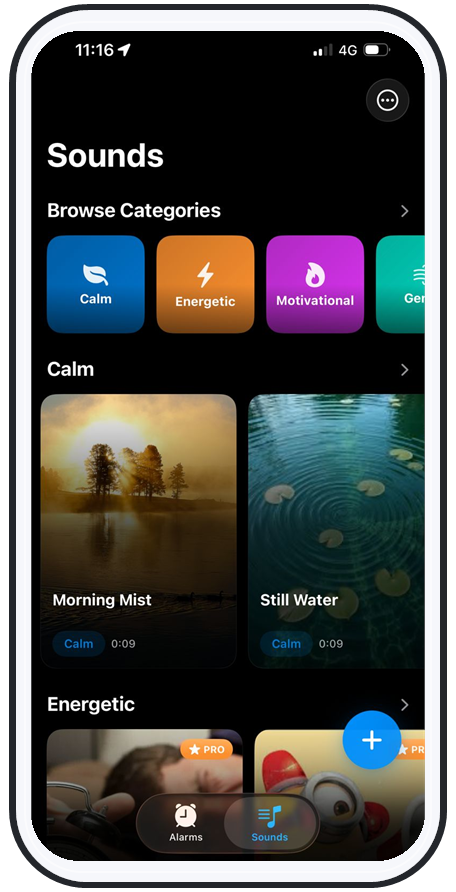
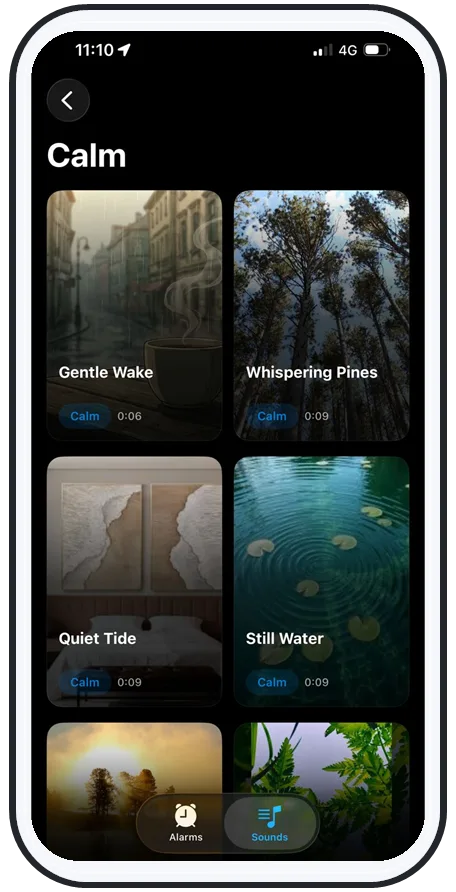
The antidote is novelty: wake to a song you don't normally hear, or your own recorded voice, and rotate it regularly so your brain can never tune it out. A loud, changing, personal sound beats a louder default every time — a recurring finding across the best alarm apps for heavy sleepers.

Tactic 3 · Stagger smartly
Stagger alarms the right way — and make sure they ring at all
Five alarms five minutes apart backfires: you train your brain to ignore the first four and doze in fragmented, low-quality sleep between them. Instead, set two or three alarms 10–15 minutes apart, each with a different sound, and put the final one across the room. The spacing avoids shredding your sleep while the changing sounds dodge habituation.
None of it matters if the alarm fails silently. Music and streaming alarms have a brutal failure mode — they go quiet with no connection, on silent, or on Do Not Disturb. Example: a barista sets a streaming alarm for a 5am open; overnight the app loses signal, "plays" a track that never loads, and she wakes at 6:30 to a silent phone. A reliable alarm has to close that gap.
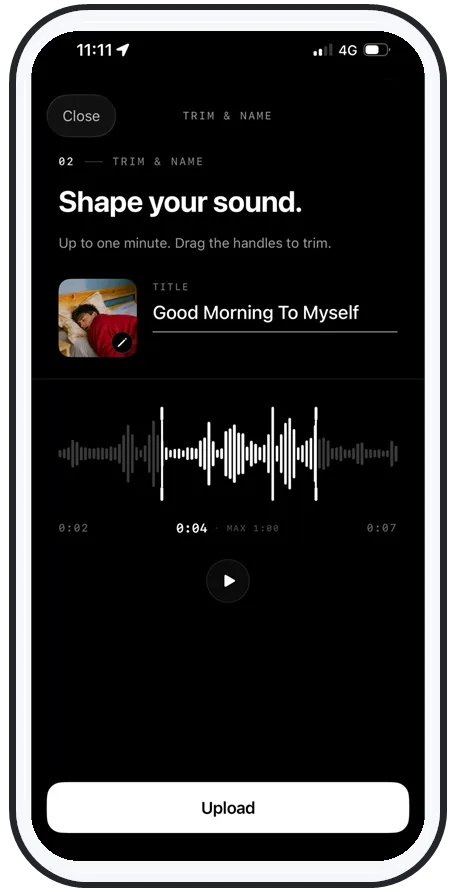
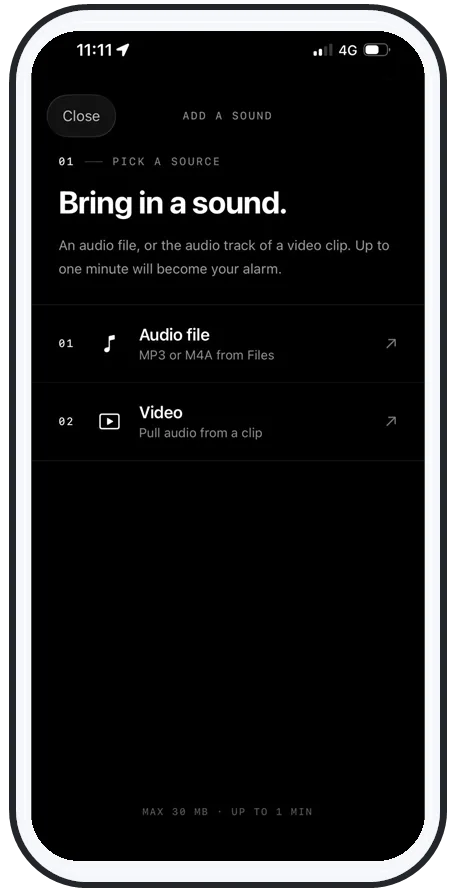
Swipe to see more
The stack
Friction plus a loud, novel, reliable alarm
Get out of bed every time by stacking friction with a sound that can't be ignored or fail:
- Friction: the final alarm across the room, so silencing it means standing up and walking.
- Novel: wake to any song or your own voice, and rotate it so your brain never habituates.
- Loud: push above your phone's normal volume ceiling, built for heavy sleepers.
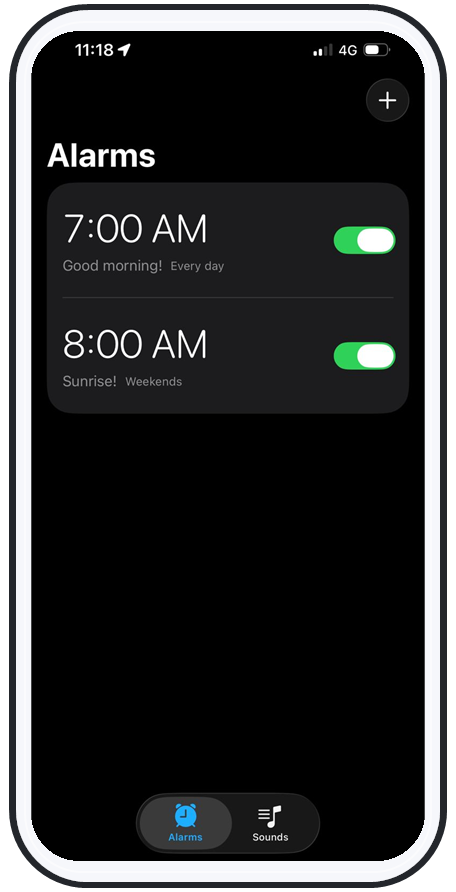
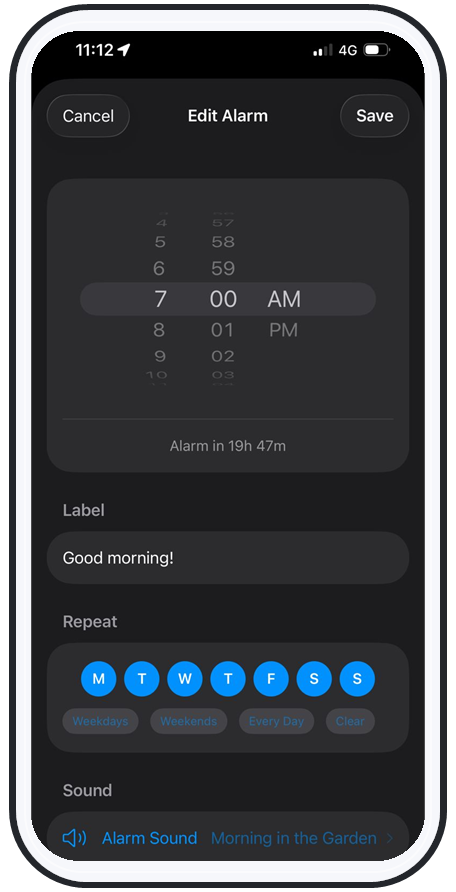
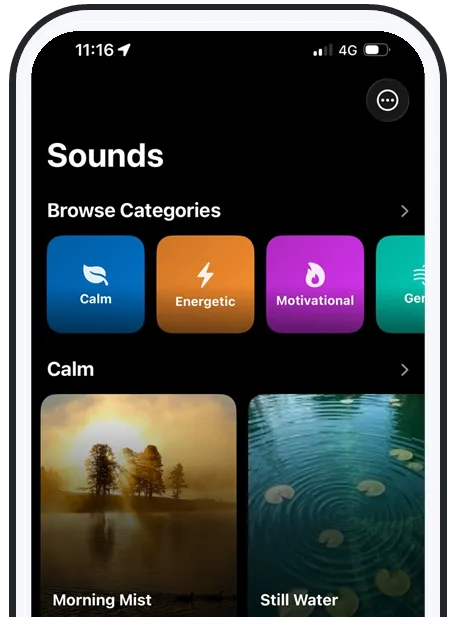
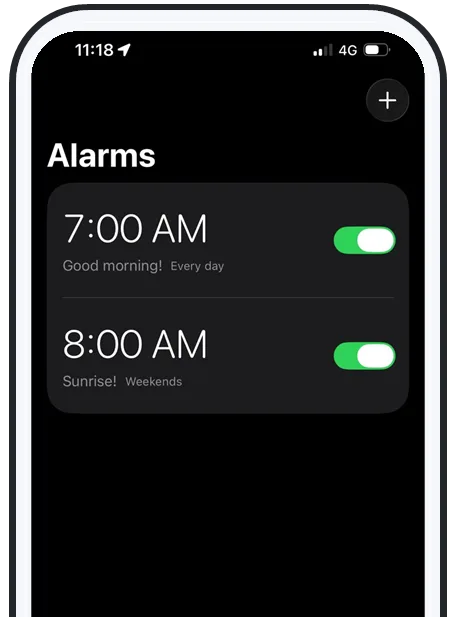
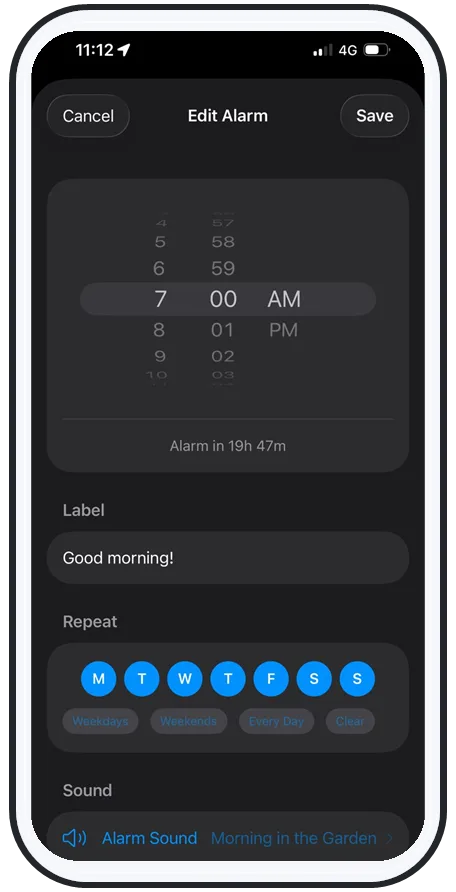
- Reliable: sounds download for offline playback and schedule through Apple's AlarmKit, so the alarm rings on silent, on Focus, on the lock screen, and with no signal.
That's how AlarmiFex is built — see how the features work, or get AlarmiFex on the App Store.
Frequently asked questions
What alarm actually makes you get out of bed?
The alarm you can't turn off without standing up. Combine friction — the phone across the room, or an alarm that needs a task to dismiss — with a sound loud and novel enough that your half-asleep brain can't tune it out. The friction forces your feet onto the floor while the sound stops you snoozing on autopilot, and once you're upright and moving you rarely climb back into bed.
Why do I snooze my alarm without remembering it?
That's sleep inertia. When an alarm pulls you out of deep sleep, your decision-making brain is still offline for a few minutes, so you snooze or dismiss the alarm and have zero memory of it. The fix is to remove the autopilot option: put physical distance between you and the off button so silencing it requires standing up, and use an alarm that demands a deliberate action to stop.
Do staggered alarms help you wake up?
They can, but not the way most people use them. Five alarms five minutes apart trains your brain to ignore the first four and doze in fragmented sleep between them. Better: two or three alarms 10–15 minutes apart, each with a different sound, with the final one across the room. The spacing avoids fragmenting your sleep while the changing sounds keep your brain from habituating to one repeated tone.
Does putting your phone across the room actually work?
It's one of the most reliable single changes you can make, because it converts dismissing the alarm from a half-asleep arm movement into a decision to stand up and walk. Once you're on your feet, light hits your eyes and your body warms up, both of which suppress sleep inertia. It only works if the alarm is loud enough to wake you from across the room and can't fail silently overnight — pair the distance with a loud, reliable alarm, not a quiet default tone.
Try an alarm that actually goes off
AlarmiFex wakes you to any song or your own voice — extra loud, even on silent, even offline.